
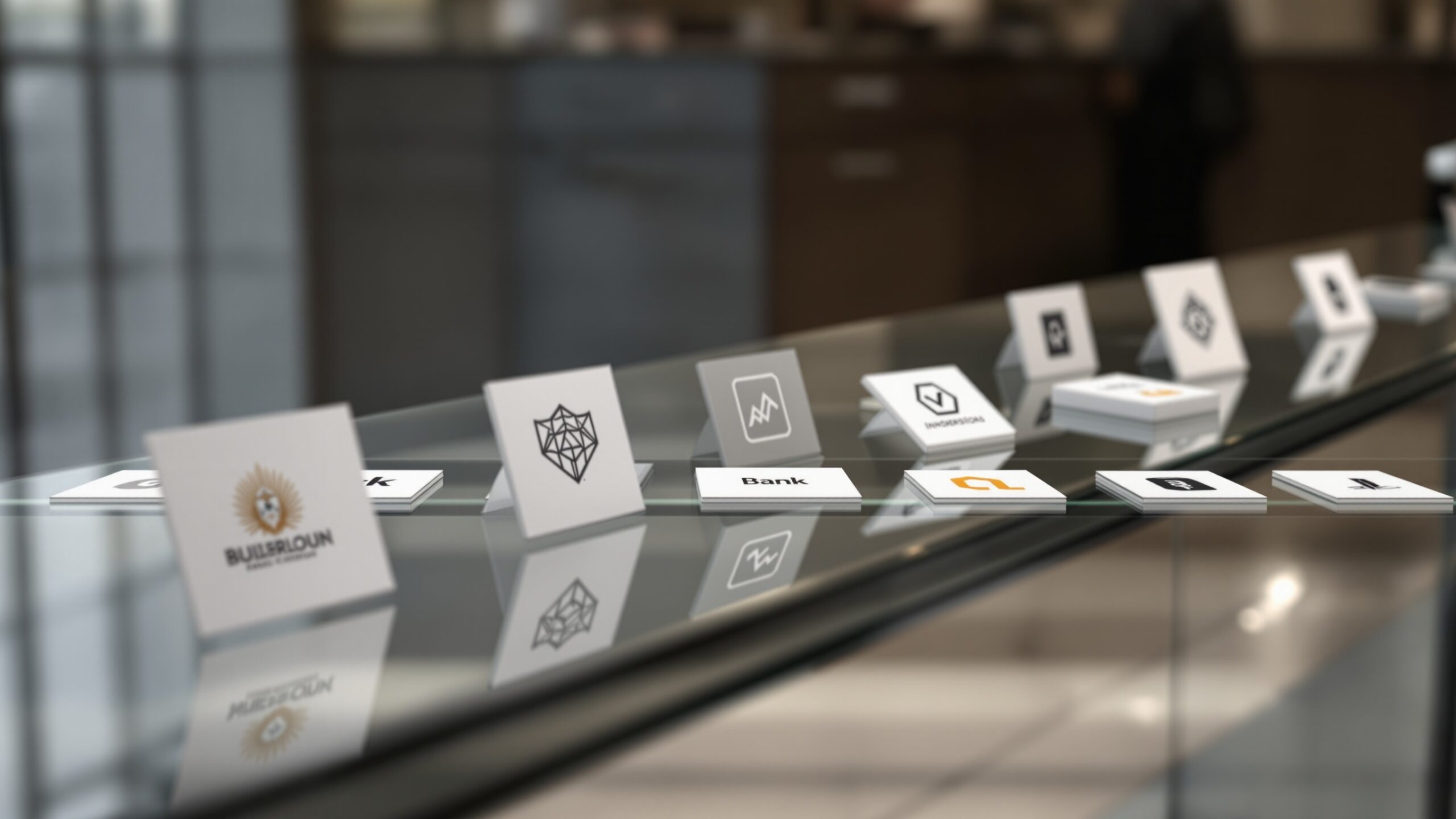
Bank logos are tiny time machines. With a single glance, they reveal what a bank wanted you to feel in that decade: ornate crests whispering old-world trust, bold geometric marks shouting modern efficiency, sleek digital icons promising always-on access. This “Bank Logos Through the Decades” corner of Banking Streets is your guided gallery tour through shifting colors, shapes, and symbols of money. We’ll explore why early emblems leaned on shields and keys, how mid-century marks embraced clean lines and corporate confidence, and why today’s logos flatten, simplify, and glow from app icons on your phone. Along the way, we’ll connect design moves to mergers, crises, and tech revolutions that forced banks to reinvent their visual identities. Whether you’re a branding nerd, finance fan, or just logo-curious, you’ll find side-by-side comparisons, origin stories, and little nuggets of design trivia that change how you see every banking sign on your street. Think of this page as your personal logo lab, where visual history meets everyday financial life in full color and sparks new ideas for future marks.
A: Shifts in technology, customer expectations, and strategy push banks to refresh their visual identity.
A: Not always—some updates simply modernize colors, shapes, or fonts for digital use.
A: Blue is widely associated with trust, stability, and calm, which align with financial services.
A: Many last a decade or more, with small refinements introduced along the way.
A: Larger banks often use surveys, focus groups, or pilot branches to gauge reactions.
A: The logo is one symbol; the brand is the full experience, from products to service and reputation.
A: For certain audiences, heritage and continuity are more important than a cutting-edge look.
A: A new identity can signal change, but real trust comes from behavior, not just design.
A: They balance readability with personality, often customizing letterforms for uniqueness.
A: Notice shapes, colors, and how they’ve evolved across decades—it’s a visual record of changing priorities.