
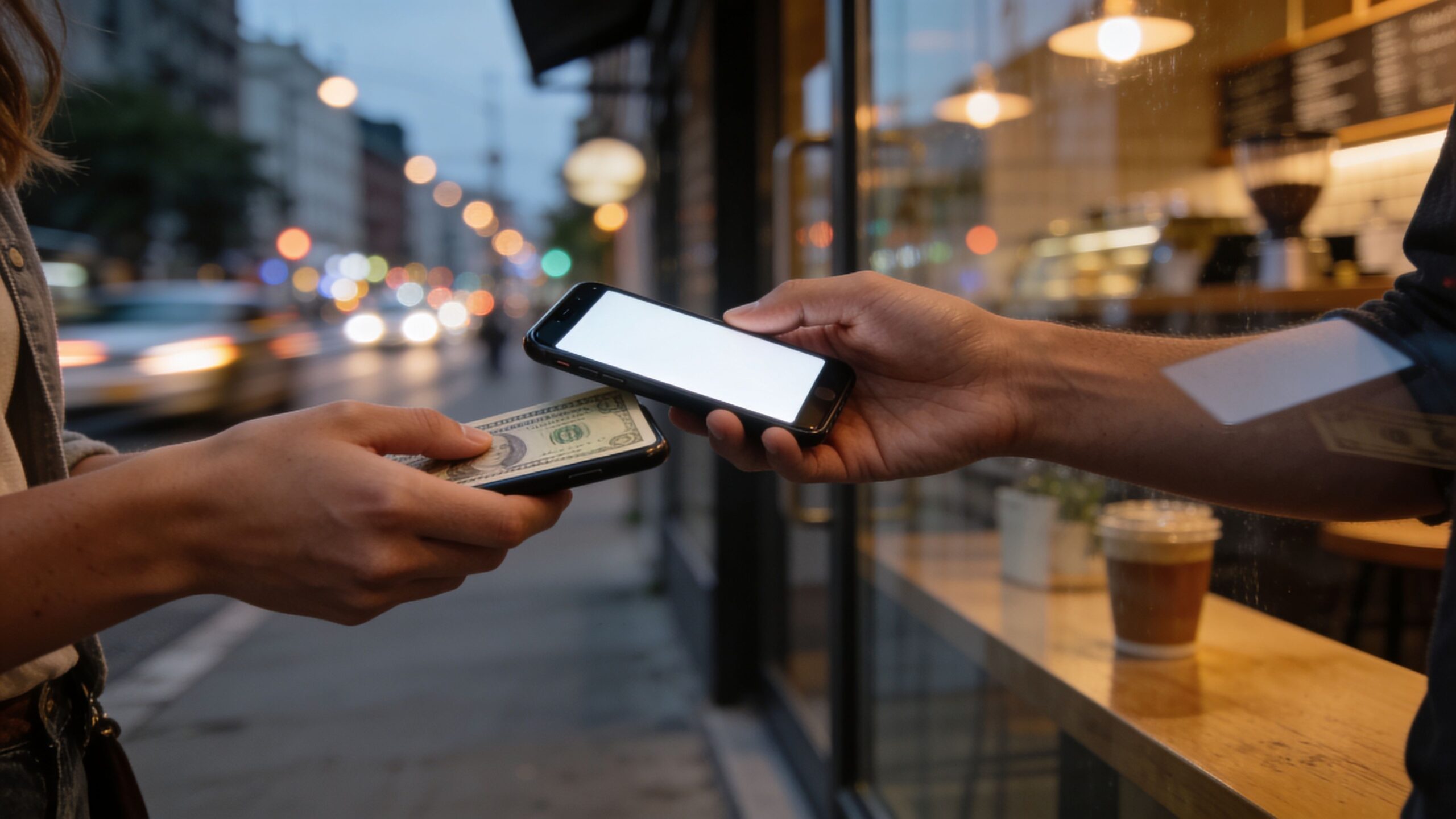
Peer-to-peer payments turn “I’ll get you later” into instant, trackable money movement. Whether you’re splitting tacos, paying rent to a roommate, tipping a dog walker, or reimbursing a friend for concert tickets, P2P apps move funds from your account to theirs in seconds—often using only a phone number, email, or a quick QR scan. Behind that simplicity is a fast-changing world of payment rails, digital wallets, identity checks, fraud defenses, and settlement timing that can quietly affect speed, fees, and safety. On this Banking Streets hub, you’ll find bite-size explainers and deeper guides that break down how P2P transfers work, what “instant” really means, how limits and hold times are set, and how to reduce scams before you hit Send. From setting up profiles and privacy to choosing the best method for friends, family, or small side gigs, this category helps you move money with confidence—and fewer awkward reminders. You’ll also learn how to keep clean records, spot red flags, handle mistaken transfers, and understand when a “payment” becomes income for tax time each season.
A: Sometimes—apps may initiate bank transfers, wallet moves, or card-funded payments behind the scenes.
A: Risk checks, bank processing windows, or recipient enrollment can delay availability even if the app shows “sent.”
A: Only in limited cases (pending/unclaimed). Once accepted, it’s often final.
A: Verify the recipient by phone, use a trusted method, and consider a small test transfer first.
A: Contact support immediately and message the recipient, but recovery isn’t guaranteed.
A: They block some fraud, but authorized payments to scammers are hard to dispute—prevention is key.
A: Bank linking often reduces fees; debit cards may be faster in some cases—review costs and protections.
A: It can be convenient, but it may change protections—move larger sums back to your bank when possible.
A: Confirm through another channel, watch for urgency, and don’t trust profile photos alone.
A: Personal reimbursements usually aren’t income, but business/side-gig payments can be—keep records.